Sheep containment feeding is becoming an increasingly important tool for producers. It can be used to manage feed shortages, protect valuable pasture and maintain livestock performance during challenging seasons.

The MLA Producer Demonstration Site project Sheep Containment in Focus explored how containment feeding can be used within commercial sheep enterprises. It also explored what factors contribute to successful outcomes.
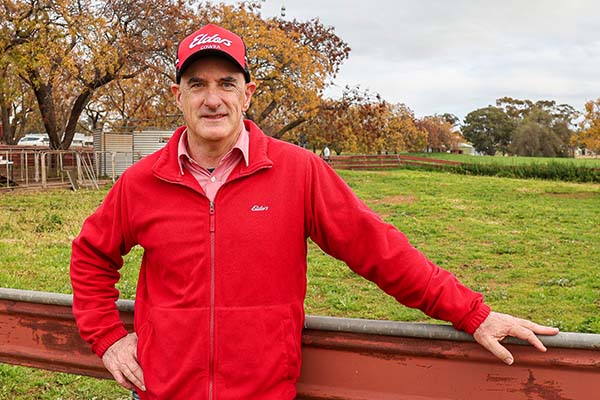
Led by Elders Senior Livestock Production Advisor David Trengove, the project worked with producers in the Cowra region of New South Wales. Across three demonstration sites they monitored:
“One of the biggest lessons from the project was that containment is not something you have to use every year; it is another tool in the toolbox,” David said.
“The value comes from recognising when conditions justify using it and having the system and management in place before you need it.”
Across the demonstration sites, the project showed that containment can help maintain ewe condition while reducing grazing pressure on valuable pasture. It also reinforced the importance of feed budgeting, condition score monitoring, water supply and having clear plans for when sheep should enter and leave containment.
While favourable seasons during the project reduced the need for widespread use of containment, they reinforced the key message: containment is a tool to use when conditions call for it, rather than something that needs to be adopted every year.
Through the course, participants also improved their understanding of:
Importantly, they also gained greater confidence in deciding when containment is likely to add value within their own businesses.
For producers, the takeaway is simple. Sheep containment is not a silver bullet, but it can be a valuable management option to help protect pastures, maintain livestock performance and improve flexibility when feed becomes limited. Having the knowledge and capability to use it effectively means producers are better prepared when seasonal conditions become challenging.
Disclaimer - important, please read:
Elders provides recommendations to the best of its knowledge and based on assumptions and information which it understands to be up to date, complete and accurate. If you are aware of any error or inaccuracy with the information on which this recommendation is based, you must immediately bring this to Elders’ attention. This recommendation is provided for your use only, and not that of any other third party. In some circumstances, the information Elders provided may be in summary form or derived from information sourced from third parties, however, Elders has not independently verified the information and cannot guarantee its accuracy.
You should always carefully evaluate all available information and consult Elders or another advisor further before you commit to any course of action or rely on any recommendation. Additionally, Elders expects that you will use your knowledge, experience and best judgement in relying on any recommendation and determining whether the recommendation is, and continues to be, appropriate. Elders do not accept liability or responsibility for any indirect, consequential or economic loss or damage of any kind arising from your acceptance or reliance on this recommendation. To the fullest extent permitted by law, all guarantees, warranties or implied terms and conditions are expressly excluded and Elders’ liability with respect to any services provided is limited to re-supply of the services, or the cost of having the services re-supplied. Elders may from time to time recommend products or services for which it may receive a financial incentive (rebate, commission, benefit, etc) from a supplier/manufacturer directly related to your purchase or use of that product or service.

David is a senior livestock production specialist and has written several articles about sheep production. Read them now.