Elders Livestock Production Specialist Mark Dearing shares his advice for making the most of early green feed following rain.
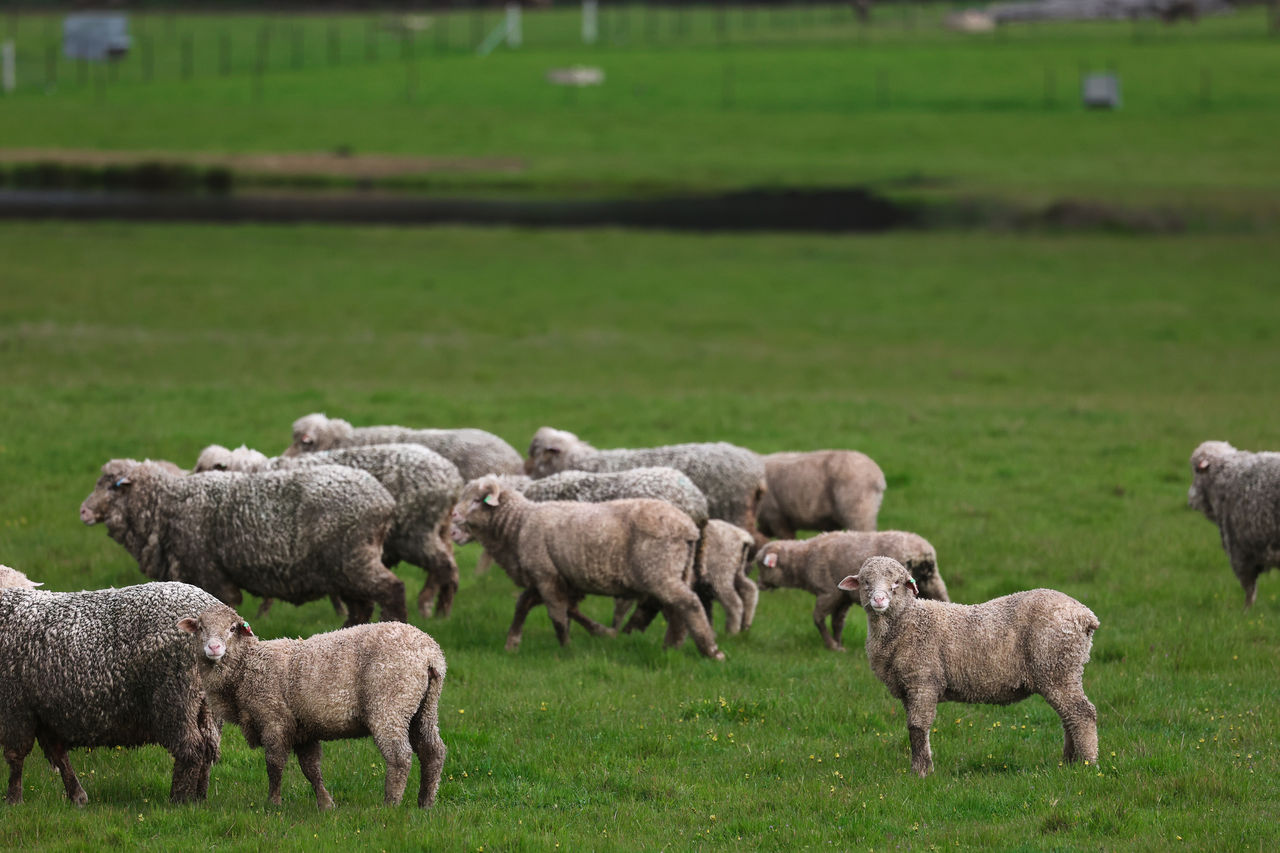
Long awaited rain has finally been received in most parts of southern Australia and the sight of green paddocks is welcomed by very enduring producers. But this green does not automatically turn the bank account “green," as ruminants take time to adjust and can actually be set backwards in the process.
Green pastures and crops are generally an excellent feed source for stock.
Early growing or dormant green feed however, can be quite deficient in many essential nutrients, as well as abundant in more dangerous components.
In turn, this can create a number of metabolic issues, not to mention a simple waste of a potentially good protein source.
Nitrates are the key focus here – potentially your best friend if utilised correctly, but your worst enemy if unmanaged. In a perfect scenario, nitrates, once ingested by cattle or sheep, are broken down by rumen microbes to nitrites and then ammonia. Eventually this is turned into microbial protein, which means more meat, milk, wool or progeny.
Troubles occur when nitrates are ingested faster than they can be converted through this process into useful protein. Nitrates are caustic and in these cases, can cause multiple issues including:
Prevention is the key to managing nitrate issues in the green feed transition stage. Where possible, recommendations include:
Finally, cover off on animal health treatments – namely drench for worm control and vaccinations for sudden feed changes.
Not all of these strategies are practical in different enterprises, but adopting any possible practices will help turn that potentially unproductive, early green feed into productivity, efficiency and ultimately, profit.
Disclaimer - important, please read:
Elders provides recommendations to the best of its knowledge and based on assumptions and information which it understands to be up to date, complete and accurate. If you are aware of any error or inaccuracy with the information on which this recommendation is based, you must immediately bring this to Elders’ attention. This recommendation is provided for your use only, and not that of any other third party. In some circumstances, the information Elders provided may be in summary form or derived from information sourced from third parties, however, Elders has not independently verified the information and cannot guarantee its accuracy.
You should always carefully evaluate all available information and consult Elders or another advisor further before you commit to any course of action or rely on any recommendation. Additionally, Elders expects that you will use your knowledge, experience and best judgement in relying on any recommendation and determining whether the recommendation is, and continues to be, appropriate. Elders do not accept liability or responsibility for any indirect, consequential or economic loss or damage of any kind arising from your acceptance or reliance on this recommendation. To the fullest extent permitted by law, all guarantees, warranties or implied terms and conditions are expressly excluded and Elders’ liability with respect to any services provided is limited to re-supply of the services, or the cost of having the services re-supplied. Elders may from time to time recommend products or services for which it may receive a financial incentive (rebate, commission, benefit, etc) from a supplier/manufacturer directly related to your purchase or use of that product or service.