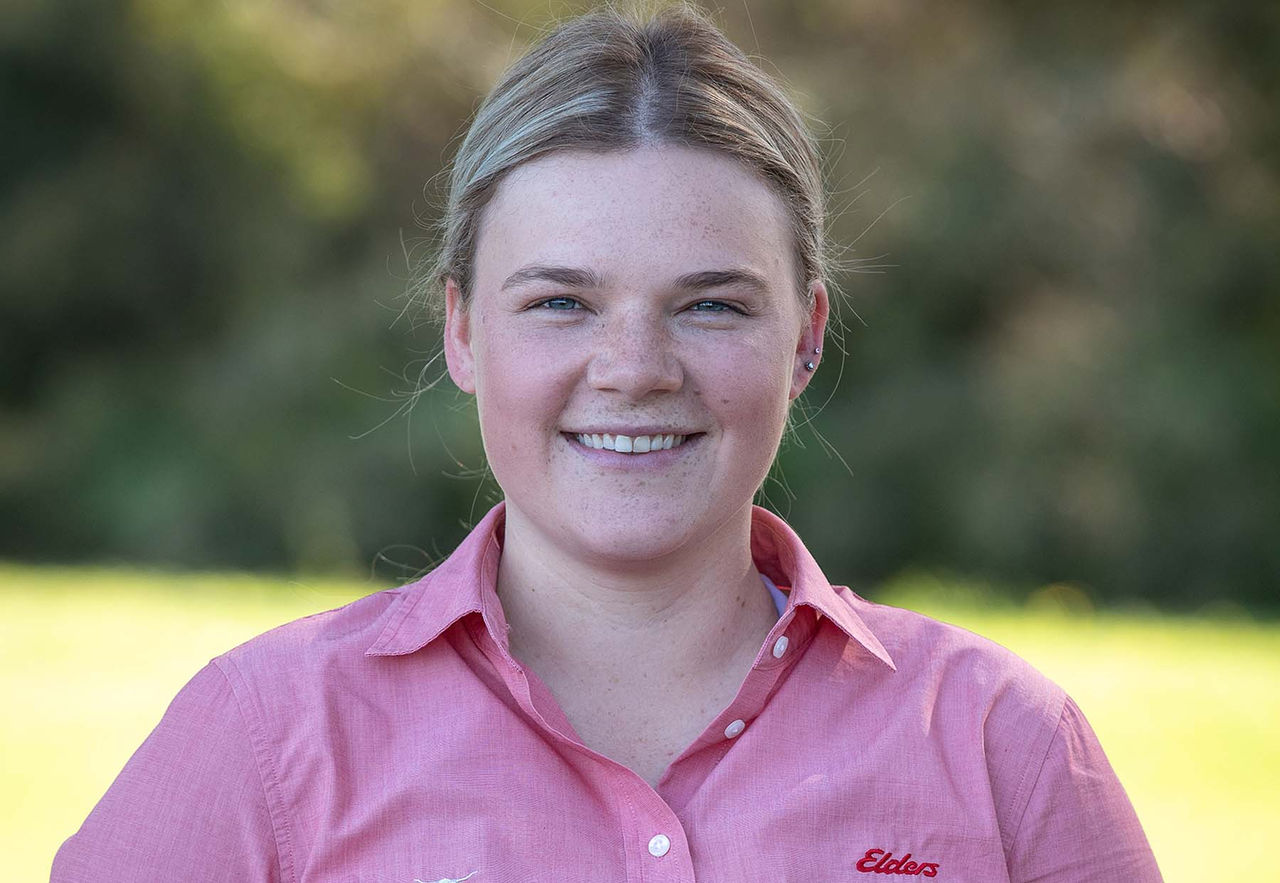
Elders Livestock Production Specialist Molly Kalman, who is based at Elders Naracoorte, shares her advice for managing worms in cattle.
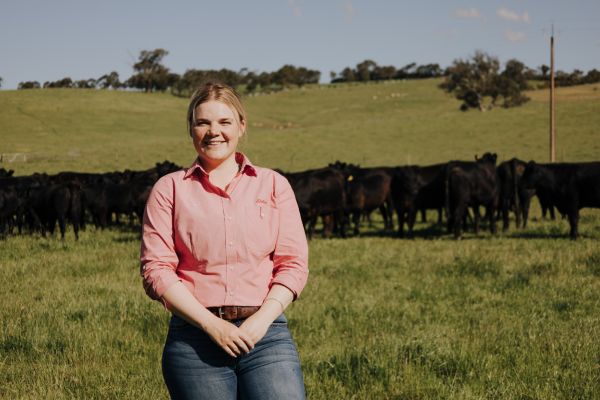
The land of milk and honey. High rainfall, fertility, stocking rates and a pivot on every corner. Here in southeastern Australia, we produce some of the most beef per hectare in the country.
Where cattle grow, worms do too. Internal parasites cost Australian beef producers an estimated $80 million a year; nearly half of that is just in lost production.
Sometimes they look like clinical disease; causing scouring, bottle jaw and death, but more often they just cost kilograms; up to .3kg per head per day. This can materialise into longer time on feed, a lightweight heifer not getting in calf, or a first time calver going dry the following season.
One of the more serious yet common complications in this region is ostertagia type-2 disease. This occurs when there is a large-scale breakout of encysted stage 4 (L4) ostertagia larvae in the lining of the abomasum (stomach), causing significant inflammation and thickening of the gut lining which manifests as scouring and anorexia.
This often coincides with the first green pick of the season and can be mistaken for cattle reacting to the richness of the grass.
It often occurs at a critical time around calving when a pregnant or early lactating heifer needs all the energy she can get. These larvae encyst in the gut lining over the dry summer period and are invisible on a faecal egg count (FEC). They also cause issues in young cattle through the wintertime and complicate infections with other common worms like Cooperia.
Cattle generally acquire some immunity to gastrointestinal parasites as they age and often will not need routine drenching unless under particularly heavy nutritional stress or high worm burdens. Young cattle, particularly weaners and first calvers are the animals that need routine support and monitoring. It is good practice to drench cattle at weaning and monitor them for a potential second drench. Weaners on dirty irrigation should be watched particularly closely and the use of FECs may be helpful. Heifers on their first calf should be monitored for a late summer/early autumn drench to control ostertagia.
Single active drenches in every class are experiencing some level of resistance across Australia. Which active and to what degree varies farm to farm, but it’s likely that the higher the rainfall and more productive the property is, the greater this resistance will be.
When actives are combined, their efficacy is increased. Parasites that have some survival/resistance to each group of actives can still be effectively controlled when those chemicals are combined. This slows down the number of worms that survive and pollute the pasture, giving produces more drenching options that work, for longer. It is a more effective strategy that simply swapping between drenching groups year to year.
An integrated approach that focuses on the following approaches is the best policy to ensure heavy, healthy cattle:
Disclaimer - important, please read:
Elders provides recommendations to the best of its knowledge and based on assumptions and information which it understands to be up to date, complete and accurate. If you are aware of any error or inaccuracy with the information on which this recommendation is based, you must immediately bring this to Elders’ attention. This recommendation is provided for your use only, and not that of any other third party. In some circumstances, the information Elders provided may be in summary form or derived from information sourced from third parties, however, Elders has not independently verified the information and cannot guarantee its accuracy.
You should always carefully evaluate all available information and consult Elders or another advisor further before you commit to any course of action or rely on any recommendation. Additionally, Elders expects that you will use your knowledge, experience and best judgement in relying on any recommendation and determining whether the recommendation is, and continues to be, appropriate. Elders do not accept liability or responsibility for any indirect, consequential or economic loss or damage of any kind arising from your acceptance or reliance on this recommendation. To the fullest extent permitted by law, all guarantees, warranties or implied terms and conditions are expressly excluded and Elders’ liability with respect to any services provided is limited to re-supply of the services, or the cost of having the services re-supplied. Elders may from time to time recommend products or services for which it may receive a financial incentive (rebate, commission, benefit, etc) from a supplier/manufacturer directly related to your purchase or use of that product or service.