Elders Livestock Production Specialist Nathan Saunders shares his advice on managing cows through the transition period from pre to post calving, to support stronger health and productivity.
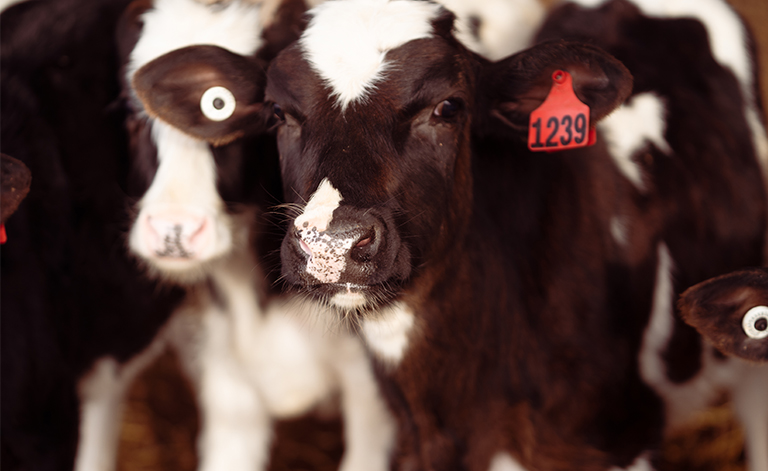
The transition management of cows is too often reduced to treating problems once they appear. Milk fever, ketosis, poor colostrum quality, retained membranes, weak calves and slow calvings are all highly visible issues around calving, but most of these problems begin developing weeks beforehand during the dry period.
The transition period is one of the biggest metabolic challenges a cow will face. In a matter of days, the animal shifts from maintaining pregnancy to producing large volumes of colostrum and milk, while often simultaneously experiencing a drop in feed intake. That mismatch between nutrient demand and nutrient intake is where many transition issues begin.
Calcium remains one of the most critical minerals during this period. Around calving, the cow’s calcium requirement increases dramatically as colostrum and milk production commence. If the animal cannot mobilise calcium efficiently from body reserves and absorb enough from the diet, the risk of both clinical and subclinical Hypocalcaemia (Milk Fever) increases.
Subclinical calcium deficiency is often overlooked because cows may not physically go down, but reduced calcium levels can still suppress appetite, reduce rumen function, impair immunity and slow muscle contraction. That contributes to lazy calvings, poorer uterine clearance, retained membranes and reduced early lactation performance.
Magnesium also plays an important supporting role because it is essential for calcium mobilisation pathways to function correctly. Without adequate magnesium status, cows struggle to utilise calcium effectively, regardless of how much calcium is present in the ration.
Energy metabolism is another major challenge during the transition period. As cows approach calving, dry matter intake commonly declines just as energy demand rapidly increases. When sufficient glucose is unavailable, cows begin mobilising body fat reserves to compensate.
Excessive fat mobilisation increases ketone production and raises the risk of ketosis. Even subclinical ketosis can reduce appetite, suppress immunity, lower milk production and negatively impact fertility.
This is where trace minerals and vitamins become increasingly important. Nutrients involved in liver function, gluconeogenesis and immune support help cows adapt to the metabolic pressure of early lactation more effectively.
Vitamin E and selenium play important roles in immune function, muscle function and reproductive health. Deficiencies can contribute to retained membranes, reduced disease resistance and poorer calf vigour.
High-quality colostrum remains one of the most important drivers of calf survival and long-term productivity. Calves are born with very limited immunity and rely entirely on colostrum intake immediately after birth for antibody transfer and early disease protection. Poor transition nutrition directly impacts this outcome.
Dairy farmers have generally been proactive in this area for many years, commonly using lead feeding programs prior to calving to help transition cows onto grain while also filling rising energy and mineral demands before lactation begins.
Beef systems can be more challenging. Input costs often need to remain lower, and many operations are either grass-only or grain-free programs, limiting some of the traditional transition feeding tools available to dairy producers.
That increases the importance of strategic mineral supplementation, particularly where pasture quality declines through winter or where known trace element deficiencies exist within the district.
Loose lick minerals and liquid mineral systems can provide practical options in these situations, allowing producers to support transition cows without heavily altering the overall feeding system.
Importantly, no mineral supplement can compensate for poor transition management. Feed availability, fibre structure, cow comfort, stocking density, body condition score and dry matter intake remain the foundation of successful calving systems.
Identifying and correcting mineral and vitamin deficiencies before calving can significantly improve transition performance, reduce metabolic disease pressure and support stronger calf outcomes.
As seasonal conditions tighten and production pressure increases, transition nutrition is becoming less about chasing peak production and more about improving resilience, immunity and metabolic stability through one of the most demanding periods in the production cycle.
Disclaimer - important, please read:
Elders provides recommendations to the best of its knowledge and based on assumptions and information which it understands to be up to date, complete and accurate. If you are aware of any error or inaccuracy with the information on which this recommendation is based, you must immediately bring this to Elders’ attention. This recommendation is provided for your use only, and not that of any other third party. In some circumstances, the information Elders provided may be in summary form or derived from information sourced from third parties, however, Elders has not independently verified the information and cannot guarantee its accuracy.
You should always carefully evaluate all available information and consult Elders or another advisor further before you commit to any course of action or rely on any recommendation. Additionally, Elders expects that you will use your knowledge, experience and best judgement in relying on any recommendation and determining whether the recommendation is, and continues to be, appropriate. Elders do not accept liability or responsibility for any indirect, consequential or economic loss or damage of any kind arising from your acceptance or reliance on this recommendation. To the fullest extent permitted by law, all guarantees, warranties or implied terms and conditions are expressly excluded and Elders’ liability with respect to any services provided is limited to re-supply of the services, or the cost of having the services re-supplied. Elders may from time to time recommend products or services for which it may receive a financial incentive (rebate, commission, benefit, etc) from a supplier/manufacturer directly related to your purchase or use of that product or service.